



3 Ways to Check Your Computer's Configuration Information
If you want to get configuration information about your computer to better solve problems or to replace hardware, accessories, etc., you can try the 3 simple methods.

By Lucas Updated on December 10, 2024


Computer configuration is an important reference when considering whether to replace hardware, purchase new devices, or how to solve related problems. But some less computer-savvy users may not be sure how to view configuration information.
If you are in the same situation, here are several ways to check the configuration, thus understand your computer better and maximize its performance.
Checking basic information such as processor and memory
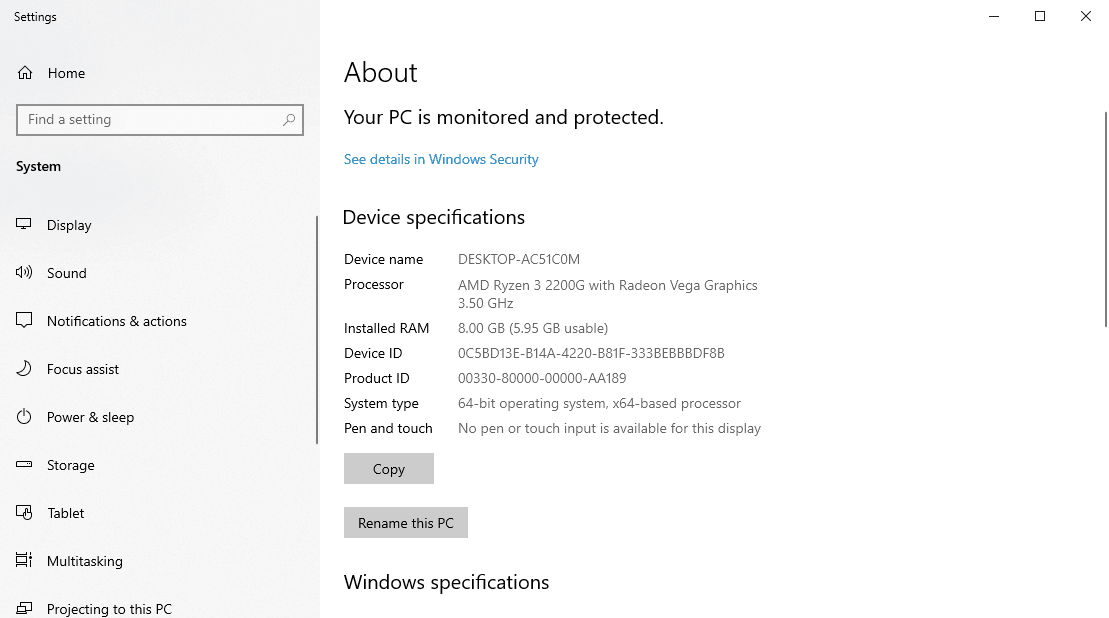
To simply view processor and memory size information, we just need to right-click on the "This PC" icon and select "Properties" in the menu.
Here we can view the processor specifications, frequency and memory size. For users who have just installed memory sticks in their laptops, this method also allows them to check if the memory is successfully read by the system.
If you can't find the "This PC" icon on your desktop, you can right-click on the blank desktop, select “Personalization” in the context menu, find the "Theme" option, click on it and select "Desktop icon settings", enter the settings, check the "Computer" box and then OK to save it, you can now display the "This PC" icon on your desktop.
View detailed hardware information
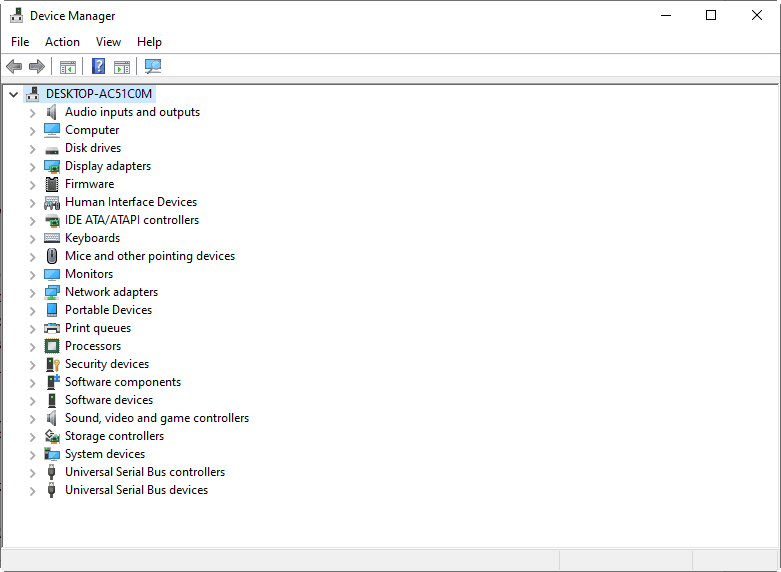
To view more configuration information, such as disk specifications, graphics card, keyboard and other hardware, we can view it in Control Panel > Hardware and Sound > Device Manager.
For example, by clicking on “Disk drives”, we can view the computer disk specifications, and by clicking on "Display adapters", we can see the model of the graphics card equipped with the computer.
Diagnostic tool comes with Microsoft Direct X
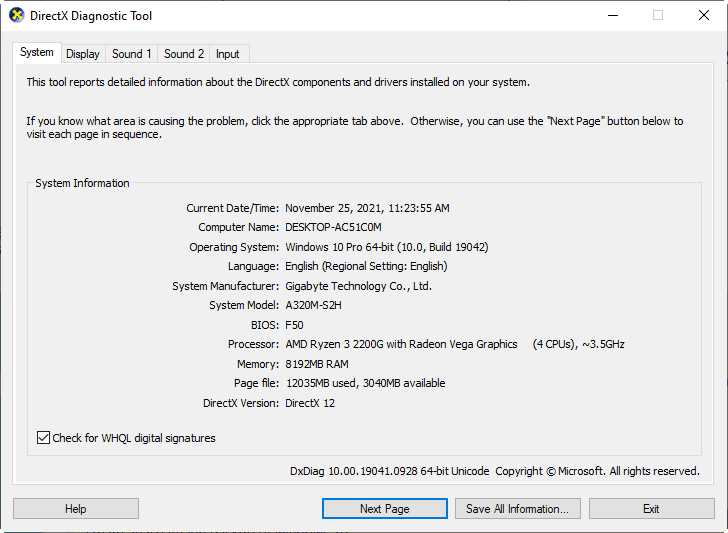
In fact, the diagnostic tool that comes with Microsoft Direct X can also view more detailed hardware configuration. The specific running method is as follows: press Win and R at the same time to bring up the "Run" dialog box, then type "dxdiag" and click OK, then the "Direct X Diagnostic Tool" will appear. "
After a short time of testing, we can see the detailed configuration of the system, display, sound, and input devices.

 as a preferred
source on Google
as a preferred
source on Google